
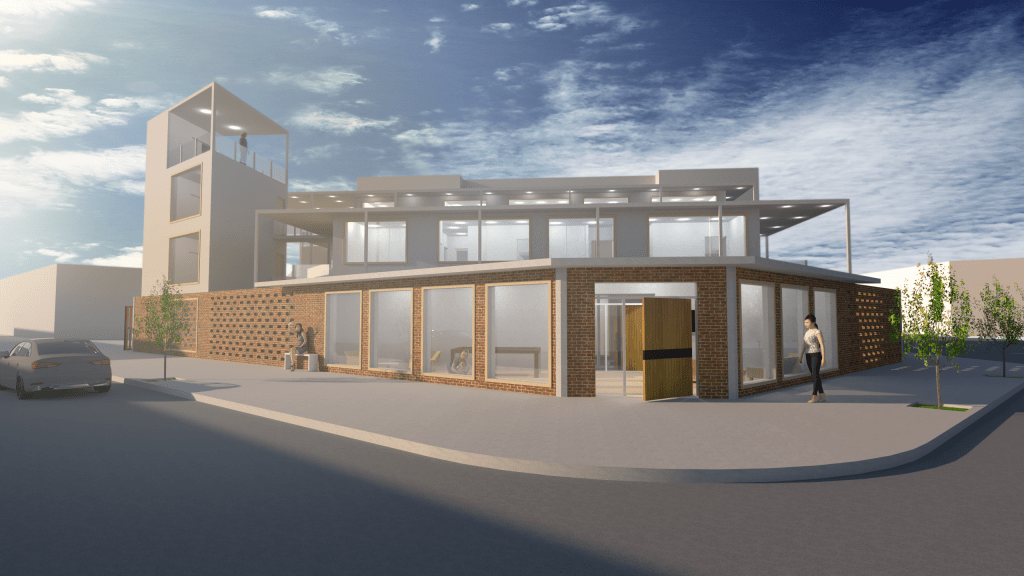
Project Description

This was a study done to further understand how spaces used to protect and house survivors of trauma can act as a “sanctuary” instead of simple “shelters”.
My design doesn’t only provide shelter, but also something more.
Site Information
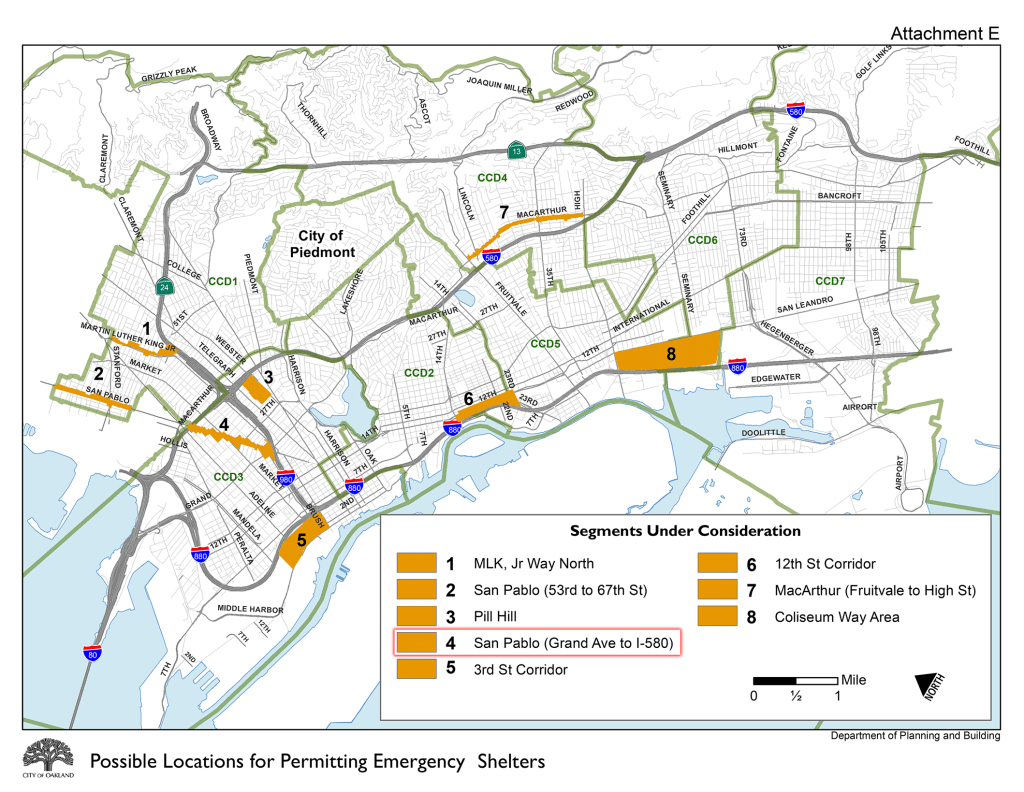
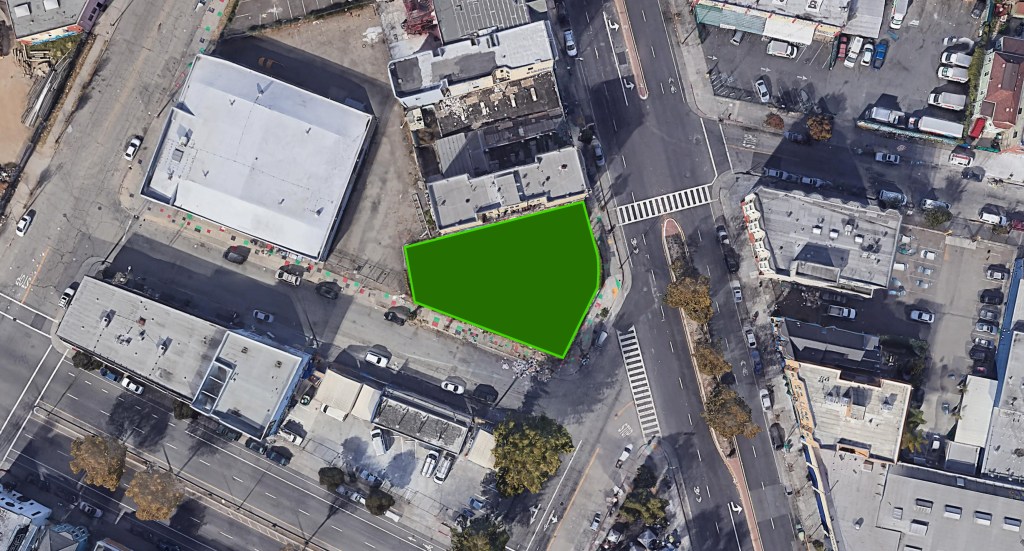
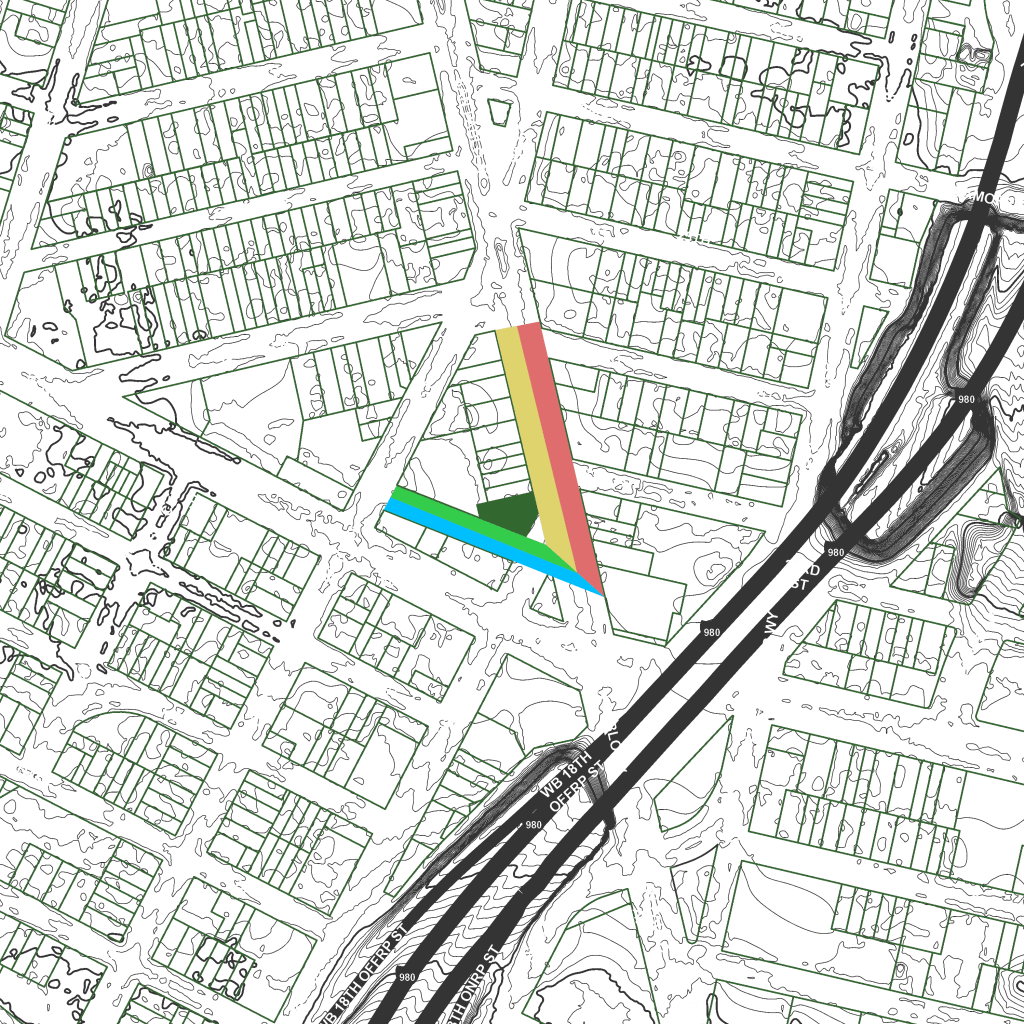
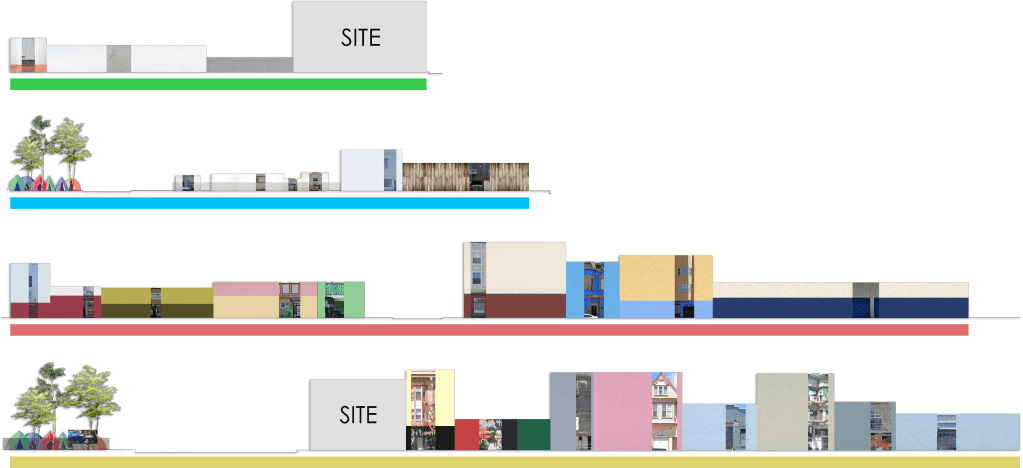
After studying the site location and the two intersecting streets, I gathered some design ideas and chose one that can fit best in this location so that it would fit in and seem as friendly as possible. Some of these choices include the building’s overall material and color, and the height of the building itself. The brick wall was chosen for its color and the sense of traditional design, and the height remained to 3 floors max.
Furthermore, some key features that had to be in this design were light, community, security, affordability, and accessibility. This would ensure a good healing environment for anyone that lives here. After considering all of the requirements and design choices, I made the plans.
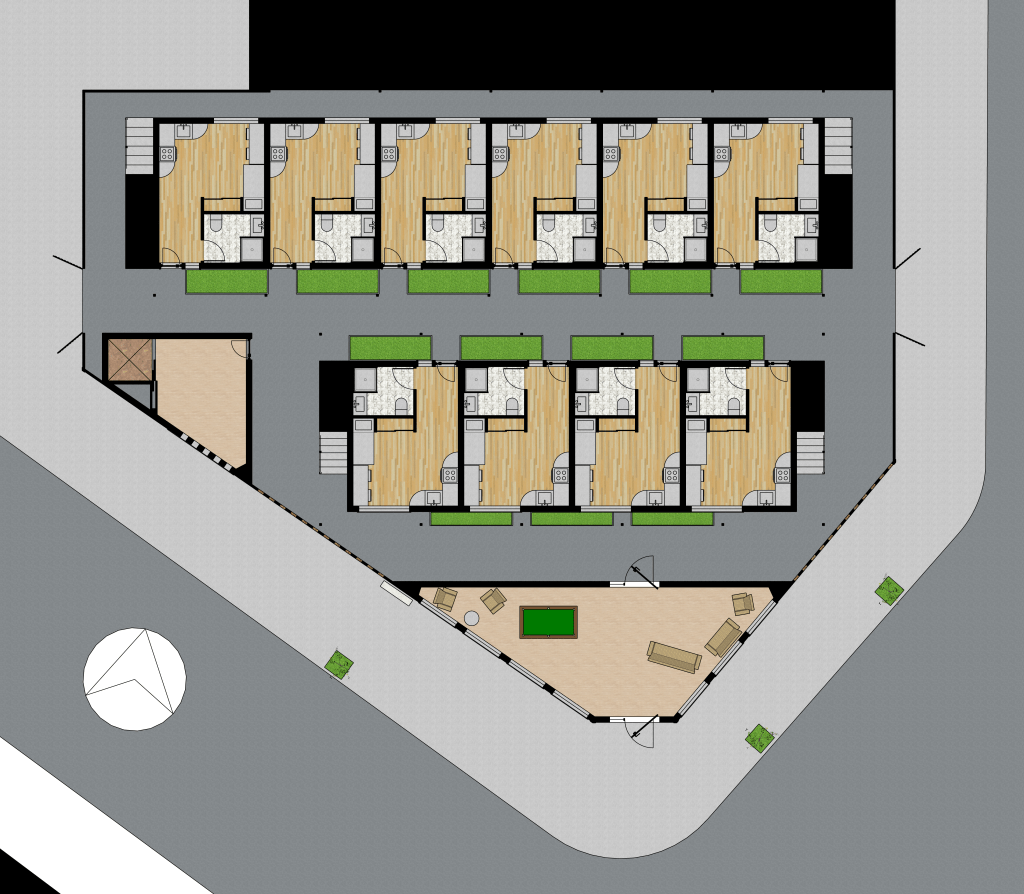
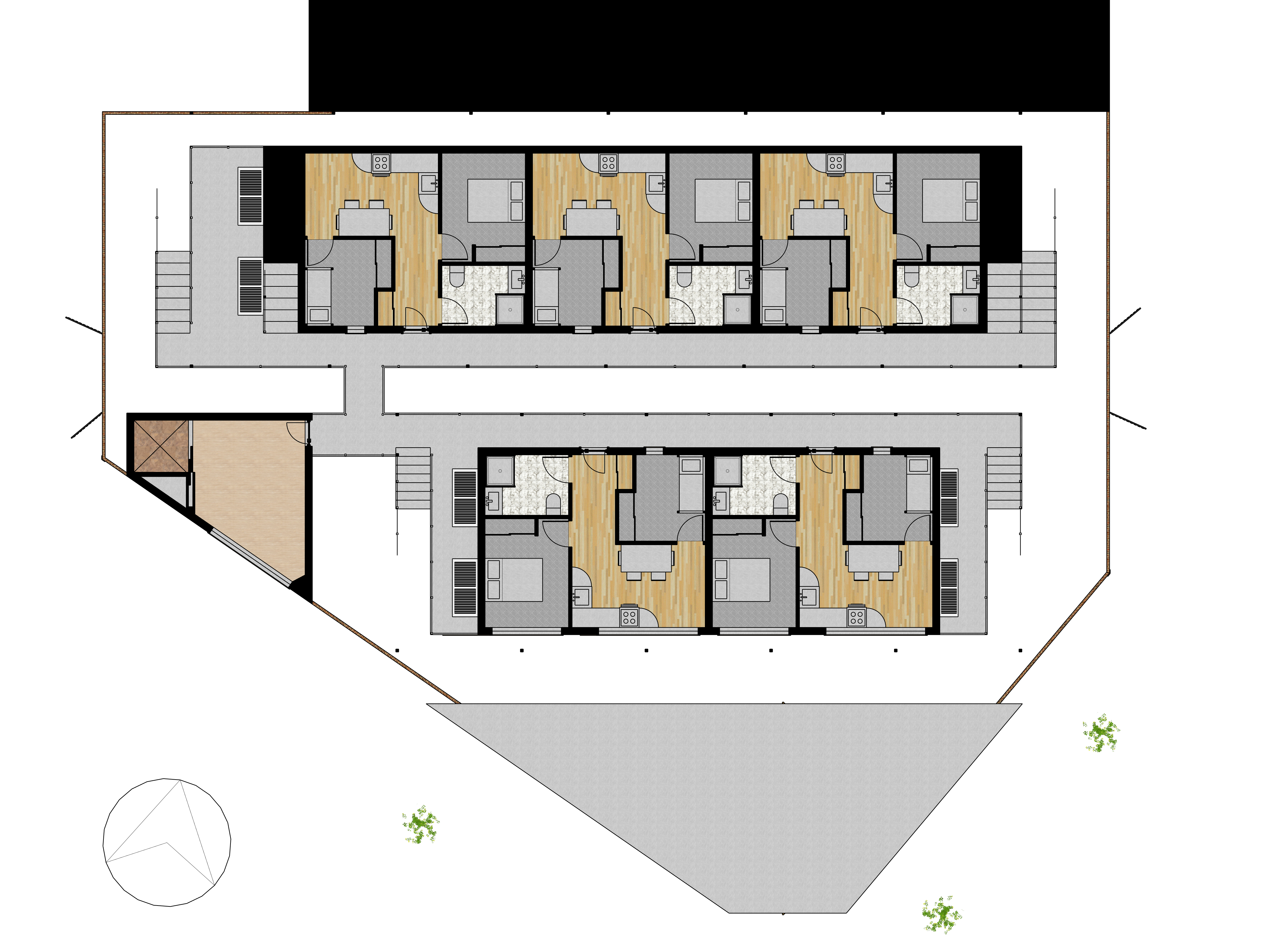
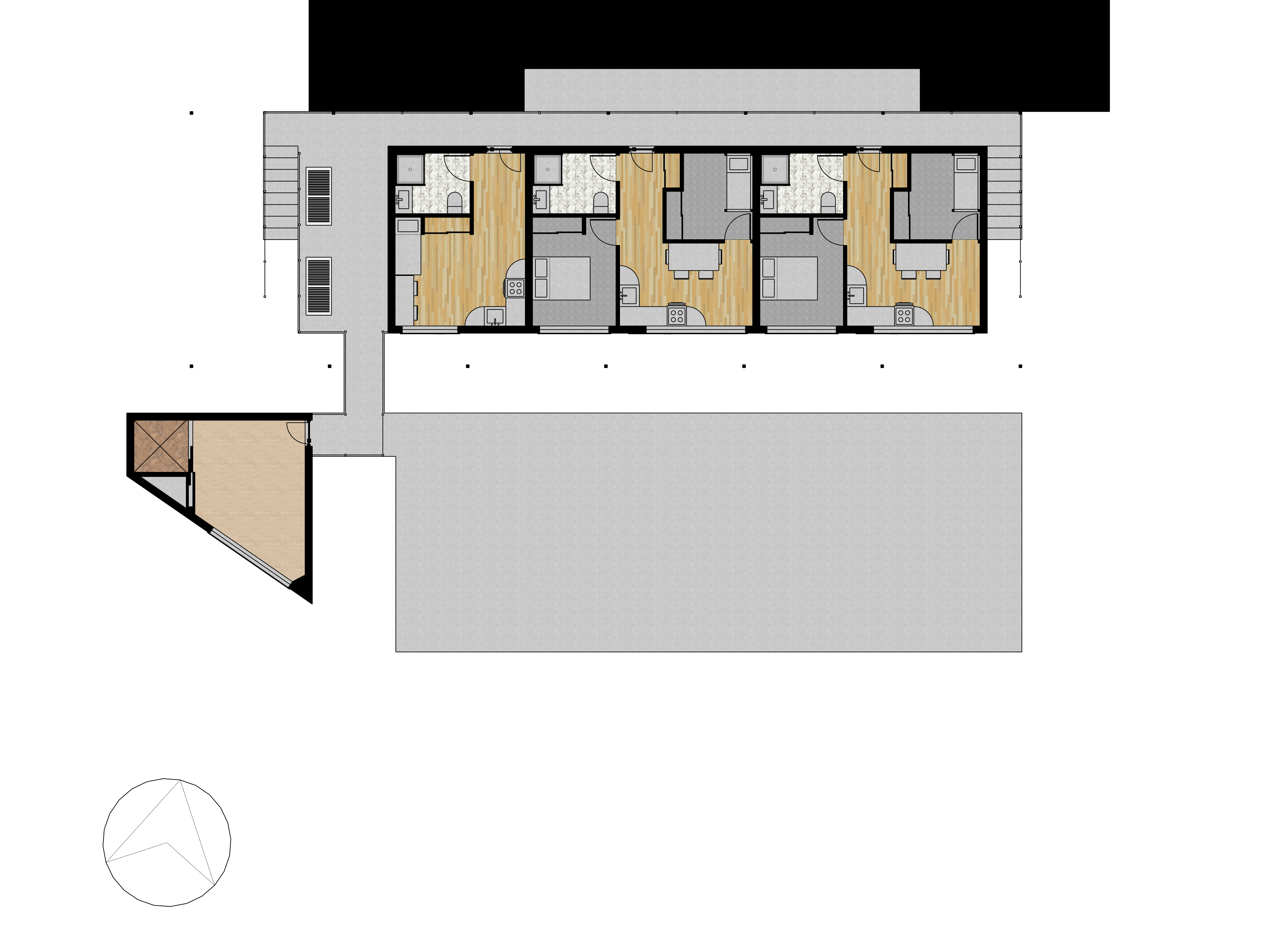
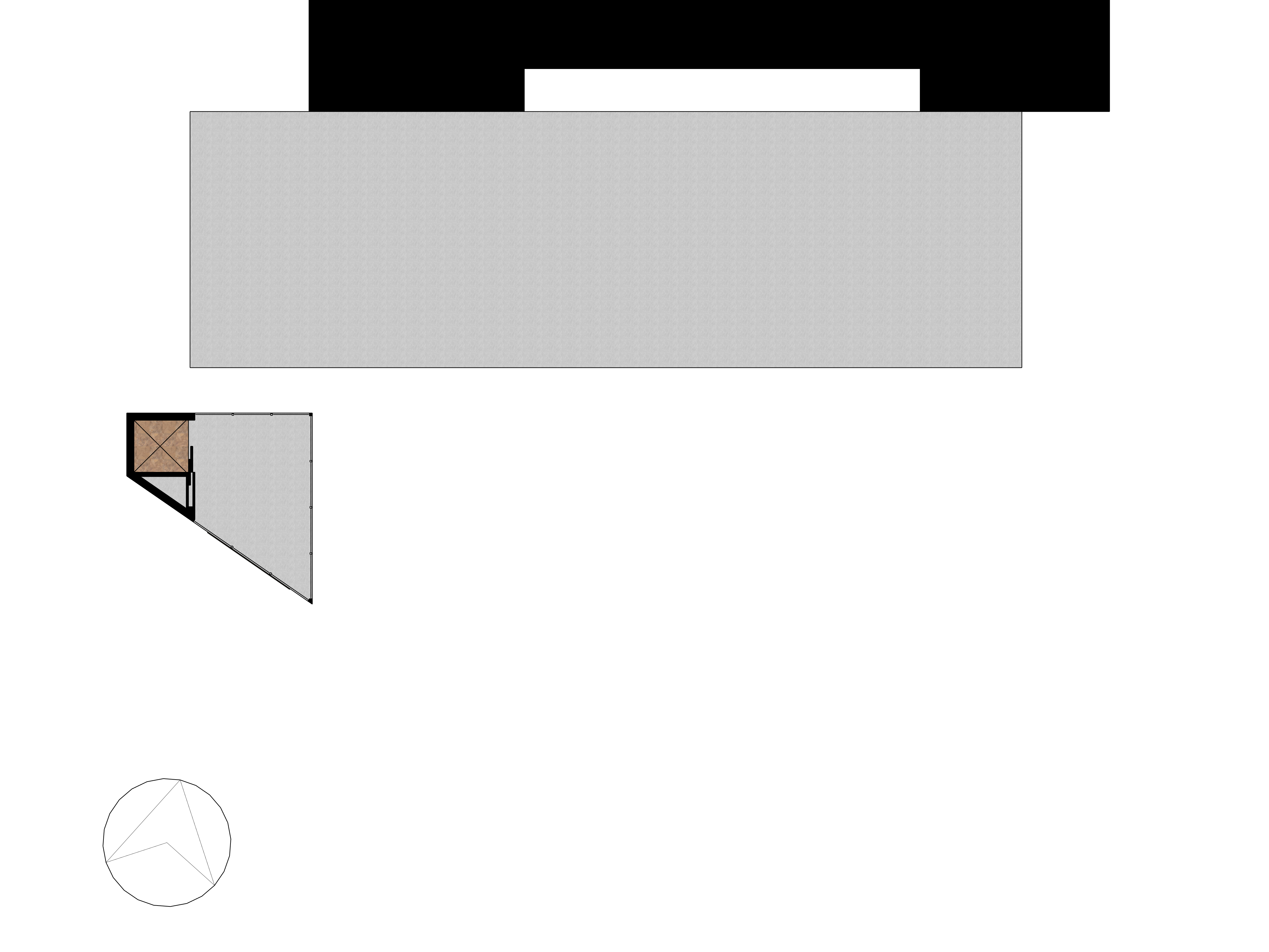
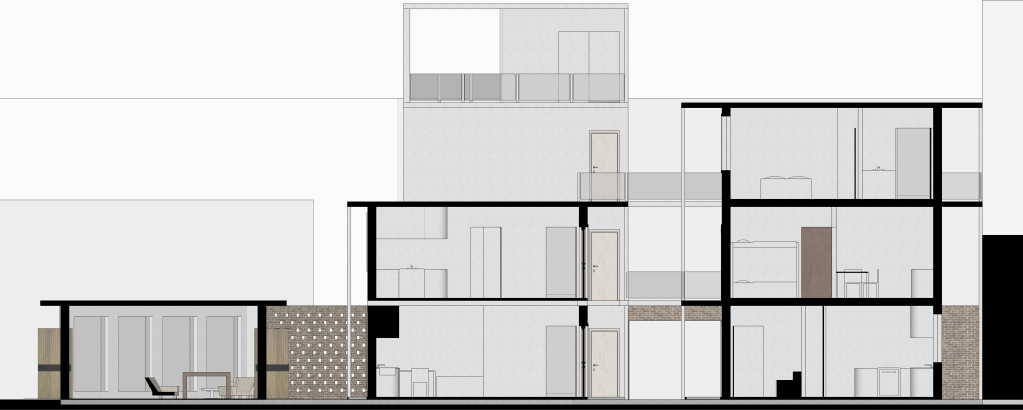
And then I thought about what the final building should look like. I chose a stepping design where each building is higher than the on in front; this would create a better view and access to light to all windows, but also create an interesting visual for people passing by.
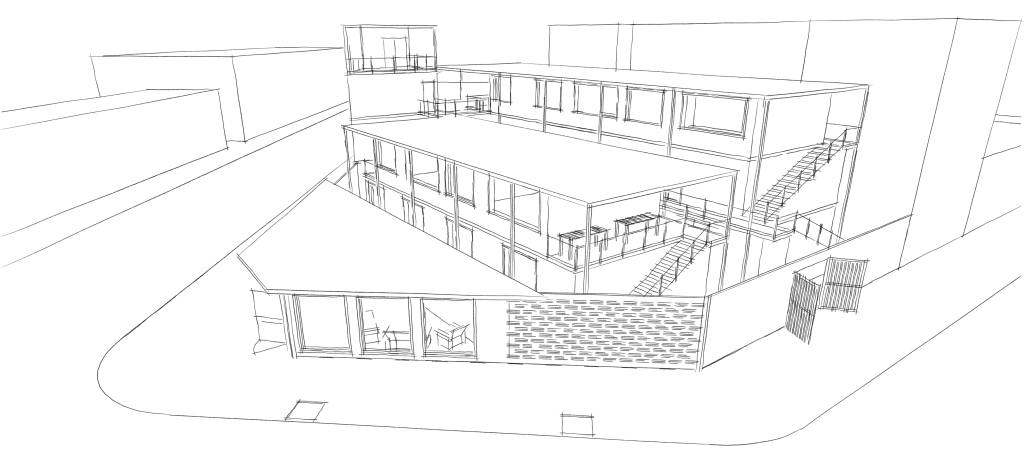
Everyone needs light and a view of the outside, especially the people who are trying to heal here, which is why I also increased the amount and size of all windows in this building than average to help with that.

I wanted people here to feel like they are part of a community and that they are not alone, so I made the main entrance go into a lobby where people see and meet each other often and have social gatherings in.
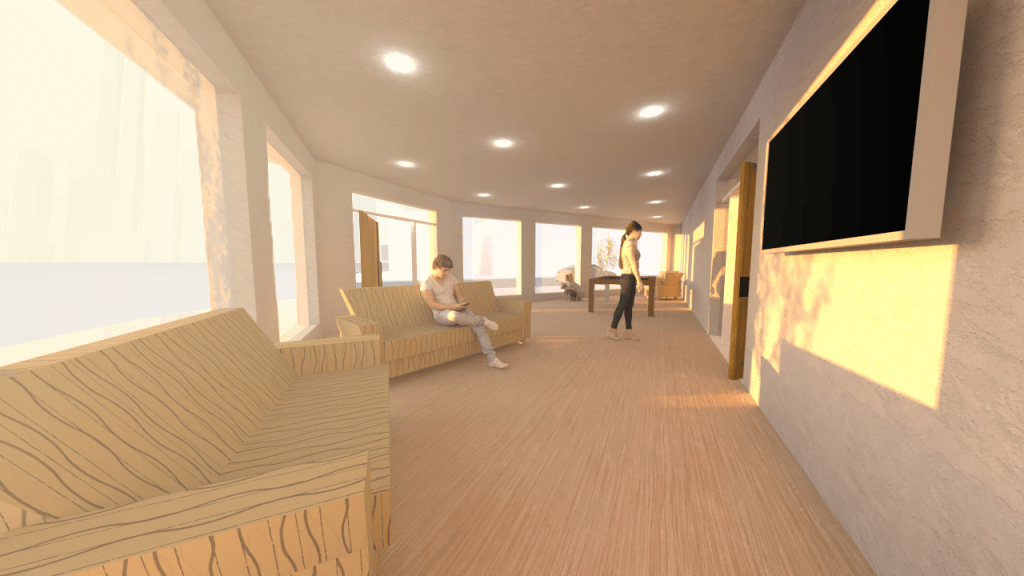
Inside there are open spaces and walkways that make people inside feel enclosed and safe, while being able to see neighbors as they walk around or spend time here in the open air.
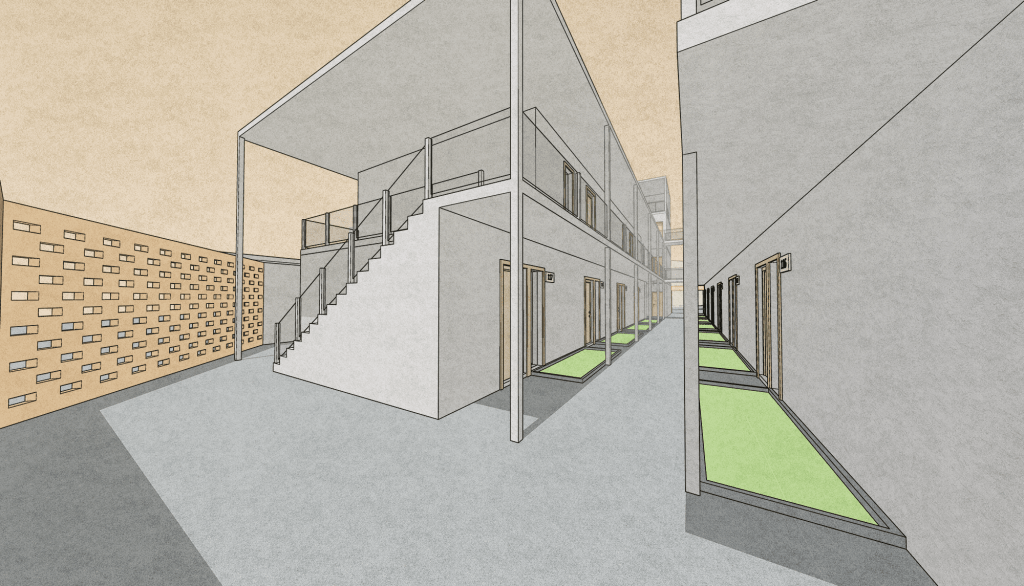
In this building there are 11 small units and 7 family units. The amount and size of these units is based on trying to fit as many people in this facility as possible, while they feel comfortable and not cramped inside. Large windows also help make the space seem bigger.
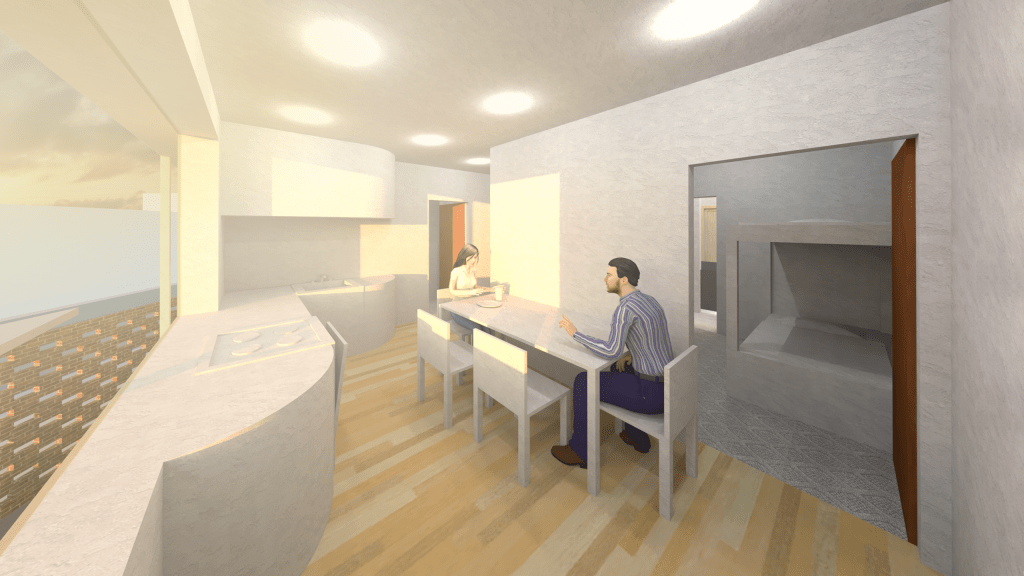
This project taught me a lot about people’s mental health and how space and architecture affects them. We often underestimate the importance of design, simple things like community and light have huge effects on people’s emotions and overal mental health. I believe all residential design should account for community and social spaces.
 Parsa Modern Residence